Why Working with a Certified Arborist Is Essential for Healthy Trees and Landscapes
Working with a certified arborist is crucial for anyone seeking to maintain healthy trees and landscapes. These professionals bring in-depth expertise in arboricultural health, spotting conditions that might go unnoticed to the untrained eye. Their proficiency includes a variety of offerings, from pest management to effective pruning methods. Appreciating the value of certified arborists can substantially improve the longevity and beauty of exterior environments. How can their expertise enhance the health of your outdoor spaces?
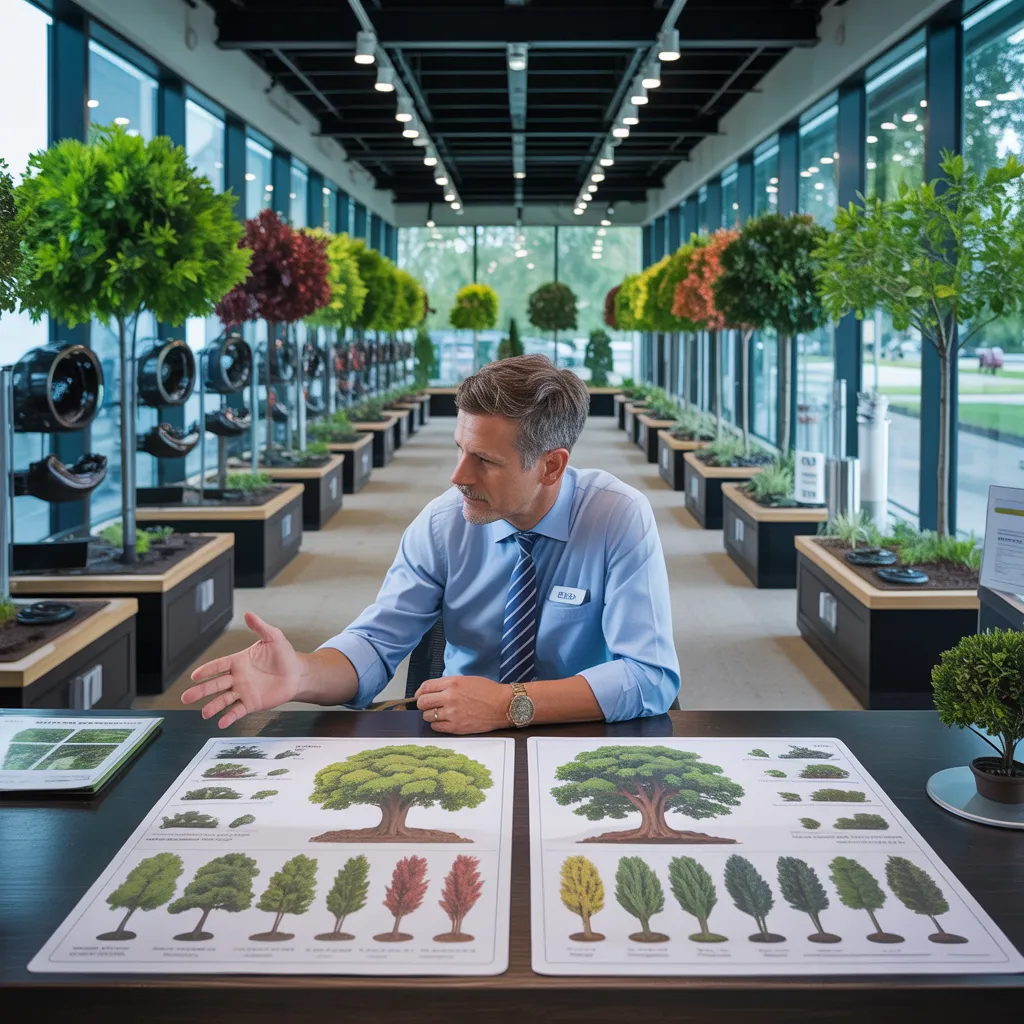
Common Tree Challenges Certified Arborists Can Resolve?
Many homeowners encounter various tree issues that can compromise the health and safety of their properties. Frequent issues encompass pests, diseases, and structural weaknesses that may go unnoticed until they become severe. Insect infestations such as aphids and borers can weaken trees, causing leaves to discolor or branches to die back. Additionally, fungal infections like leaf spot or root rot can compromise tree health, often requiring prompt intervention to stop progression. Structural issues, such as poor branching or leaning trunks, present dangers during severe weather, possibly causing property damage. Lack of essential nutrients, frequently signaled by discolored foliage or stunted growth, additionally challenge tree health. By recognizing these challenges early, homeowners can mitigate risks and preserve the aesthetic value of their properties. Professional arborists are equipped with the skills and resources to assess these conditions with precision, providing customized remedies to restore and maintain tree vigor.
The Skills of Certified Arborists in Tree Health
Professional arborists maintain expert understanding of tree health assessment techniques, allowing them to detect problems accurately. They utilize focused approaches to managing diseases and pests, promoting the long-term health and vitality of trees. Their knowledge is critical for preserving thriving landscapes and avoiding tree-related concerns.
Tree Health Assessment Techniques
Evaluating tree health requires a keen eye and expert knowledge that only skilled specialists possess. Professional arborists utilize various assessment techniques to gauge the health of trees. Visual inspections are fundamental, allowing arborists to detect signs of decay, stress, or structural problems. Moreover, they may utilize tools such as growth analysis tools to analyze wood density and growth patterns, providing insights into the tree's history and health. Soil analysis is another crucial technique, as it uncovers nutrient levels and pH, critical for optimal growth. Arborists also assess the surrounding area, considering factors like competition from other vegetation and moisture levels. By combining these methods, professional arborists deliver thorough evaluations that inform appropriate care and maintenance strategies for trees and surrounding landscapes.
Pest and Disease Management
Understanding the health of trees extends beyond evaluation; it encompasses preventive care of ailments and infestations that threaten their strength. Licensed arborists have specialized knowledge to recognize and handle numerous threats affecting tree health. They have the ability to identify initial indicators of disease and pest infestations, enabling swift responses that can minimize substantial harm. Applying comprehensive pest management approaches, these experts assess the specific needs of each individual tree, utilizing eco-friendly methods to minimize potential threats. This knowledge not only safeguards the trees themselves but also enhances the general well-being of the surrounding landscape. By enlisting a professional arborist, property owners guarantee that their trees receive the best care, encouraging longevity and resilience against possible threats.
How Expert Tree Care Improves Your Landscape's Health and Beauty
Professional tree care serves a vital function in sustaining a lush and healthy landscape. By employing expert pruning techniques, introducing preventative disease control measures, and managing soil health, trained arboricultural experts elevate the beauty and ecological integrity of outdoor spaces. This comprehensive methodology confirms trees maintain their vitality and add lasting value to their ecosystem.
Professional Pruning Methods
Expert tree pruning transforms landscapes, enhancing both tree health and beauty. Professional arborists apply expert techniques that enhance tree form and growth. By strategically eliminating branches, they boost light penetration and air movement, which play a vital role in sustaining tree wellness. Proper pruning minimizes the risk of disease and pest infestation by eliminating dead or overcrowded limbs, allowing healthy growth to flourish. Additionally, skilled arborists understand the unique growth patterns of various species, guaranteeing that each tree is given specialized treatment. This knowledge enhances not only the visual symmetry of the landscape but also supports the ecological balance of the surrounding environment. Overall, skilled pruning practices make a substantial difference in the enduring vitality and beauty of trees and landscapes.
Strategies for Disease Prevention
Applying proven disease prevention techniques is critical for preserving the health and beauty of landscapes. Certified arborists employ a range of techniques to identify and mitigate potential threats to trees and plants. Scheduled evaluations support the early recognition of diseases, permitting immediate remedial measures. Arborists additionally suggest suitable remedies, including specialized fungicides or natural treatments, customized for particular pathogens. Appropriate tree management techniques, encompassing careful pruning and preserving sufficient moisture levels, also lower the chances of disease progression. Additionally, a certified arborist can educate property owners on best practices for tree maintenance and disease prevention, fostering a healthier environment. By prioritizing skilled tree care, landscapes experience greater resilience and visual attractiveness, ultimately advancing enduring ecological balance.
Soil Wellness Management
The foundation of a healthy landscape lies in nutrient-rich soil, as it delivers critical nourishment and stability for trees and plants. Trained arborists take a vital part in maintaining soil health by assessing soil structure, pH balance, and drainage efficiency. They employ methods like soil aeration, natural amendments, and effective mulching to improve nutrient absorption and promote microbial growth. By fostering a balanced ecosystem, these professionals guarantee that trees receive the necessary elements for growth, reducing stress and vulnerability to diseases. Moreover, nutrient-rich soil supports the formation of strong root networks, enhancing overall stability and durability against environmental stressors. Investing in professional tree care, consequently, not only enhances the visual appeal of landscapes but also supports long-term ecological health.
Choosing the Right Certified Arborist
What steps can someone take to identify the right qualified tree care professional for their tree maintenance requirements? To begin, people should check the arborist's qualifications through recognized organizations, confirming they have the essential qualifications and experience. It is advisable to seek referrals from trusted acquaintances, relatives, or nearby nurseries, as word-of-mouth recommendations frequently connect people with trustworthy experts.
Next, homeowners should speak with various tree care professionals, inquiring about their credentials, focus areas, and overall approach to arboriculture. Paying attention to how they communicate and their openness to addressing inquiries can reveal their commitment to customer service.
Furthermore, examining online reviews and verifying any complaints with local governing authorities can shed more light on an arborist's reputation. Lastly, getting written assessments and comprehending the scope of services offered will aid in arriving at a knowledgeable conclusion. Choosing the right certified arborist is vital for maintaining the vitality and long-term wellbeing of trees and surrounding landscapes.
The Lasting Advantages of Arborist Services
Hiring a qualified certified arborist not only tackles pressing tree care concerns but also paves the way for enduring gains that bolster the health and vigor of the trees on your property. By applying preventative management techniques, tree care professionals work to prevent pest infestations and diseases, guaranteeing trees continue to thrive year-round. Routine evaluations and careful pruning support vigorous growth and sound structure, which can substantially lengthen the lifespan of trees.
Choosing arborist services also leads to increased property value, as healthy trees boost aesthetics and curb appeal. Furthermore, arborists can offer guidance on species selection and planting techniques, guaranteeing that trees prosper in their natural settings. This foresight fosters a balanced ecosystem, promoting biodiversity and improving soil health. In the end, the lasting advantages of arborist services establish a sustainable landscape that sustains both the trees and the broader environment, contributing to a healthier urban or rural landscape well into the future.
What Takes Place During Your Arborist Consultation?
Throughout an arborist consultation, a detailed inspection of the trees and surrounding landscape is carried out to pinpoint any existing concerns and decide on the optimal approach. The qualified arborist starts by assessing the health of the trees, checking for signs of disease, pest infestations, or structural weaknesses. They additionally assess the ground conditions and nearby plant life, learn here as these elements significantly impact tree health.
Upon completing the assessment, the arborist discusses their findings with the property owner, describing any problems uncovered and what they mean. They deliver personalized suggestions for tree care, which may include trimming, soil enrichment, or pest control measures. The arborist may also propose adding new trees or refining the landscape to foster a balanced and healthy ecosystem. This assessment review not only tackles current problems but also establishes the foundation for a comprehensive tree maintenance strategy, guaranteeing the health and endurance of the property.
Commonly Asked Questions
How Do I Know if My Tree Needs Professional Care?
Indicators that a tree requires expert attention involve leaves turning yellow, irregular growth formations, visible pests, dying or dead limbs, or symptoms of disease. Consulting an expert can deliver a precise diagnosis and suitable treatment solutions for addressing the tree's condition.
What Certifications Should I Seek in an Arborist?
When searching for an arborist, check for certifications such as certification from the ISA (International Society of Arboriculture), TCIA accreditation from the Tree Care Industry Association, and regional licenses. Such credentials demonstrate knowledge of tree care practices and professional industry standards.
Do Certified Arborists Provide Tree Planting Services?
Qualified tree experts can indeed assist with planting trees, offering expertise in selecting appropriate tree species, correct planting methods, and assessing the location. Their specialized skills support healthier trees that thrive in the landscape, supporting sustained development and ecological health.
How Often Should Tree Care Services Be Scheduled?
Professional tree care are recommended on an annual basis for regular upkeep, with extra appointments during specific seasons for pruning or pest management. Consistent inspections guarantee tree vitality, strength, and optimal growing conditions all year long.
Do Homeowners' Insurance Policies Cover Arborist Services?
Coverage for arborist services may be available through homeowners' insurance, based on the details of the policy and the type of services required. Property owners are encouraged to contact their insurance companies to confirm coverage information and any exclusions pertaining to tree care.